


School of Agronomy and Landscape Management
PhD Program in Agronomy Description
The objectives of the PhD Program in Agronomy are to:
- Conduct scientific research to address current challenges and problems in the field.
- Generate and disseminate new knowledge.
- Train qualified specialists capable of both performing research and teaching at higher‑education institutions.
- Facilitate the integration of researchers into the international scientific community.
To achieve these objectives, the university:
- Provides the doctoral candidate with all coursework specified in the curriculum.
- Assists in selecting an advisor and organizing the research program.
- Offers the intellectual and material resources necessary for high‑level research.
- Creates a supportive environment, granting the candidate workspace and access to laboratories, research centers, and auxiliary resources such as libraries and electronic databases.
The PhD Program in Agronomy focuses on developing the skills and competencies essential for a successful career in today’s job market. Doctoral candidates will have opportunities to share research interests and findings, and to engage in interdisciplinary projects that address complex scientific problems.
The Agricultural University of Georgia is committed to creating a learning, teaching, and research environment that meets international standards at all levels, including the doctoral level.
The program offers an academic setting that fosters both general scholarly skills and the conduct of innovative, often interdisciplinary, research leading to new knowledge of international scientific value. An individualized approach underlies the curriculum’s structure, content, and instructional planning.
The curriculum emphasizes the research component. Coursework is designed to develop the core competencies required for high‑value academic research in agronomy. Doctoral seminars, which form part of the coursework, focus on the scientific discourses, issues, and concepts necessary for planning and executing the candidate’s research.
Within the research component, each doctoral candidate works independently, with advisor support as needed. Every semester, the candidate must present a progress report to the Field Committee, summarizing completed work and ongoing results. For interdisciplinary research, the report is reviewed by a committee composed of experts from the relevant subfields.
Through the seminars and research component, candidates master the latest advances, current challenges, and problems in their discipline, as well as the specific research methods required for their topic. In addition to the methods course in the curriculum, each candidate undertakes an in‑depth study of research methodologies tailored to their field and subject matter. Mastery of these methods is achieved through intensive, individual work with their advisor during the research component.
Upon successful completion of the PhD program, the graduate is awarded the qualification - Doctor of Agronomy. The duration of the program is a minimum of 3 years.

Curriculum
The curriculum of the PhD Program in Agronomy consists of two components: an educational component and a research component. The educational component entails 40 credits.
The educational component consists of the following courses:
- Methodology of Dissertation Research Preparation
- The Art of Argumentative Writing
- Scientific Project Management
- Quantitative Research Methods
- Teaching in the Higher Education System
- Doctoral Seminars
On the one hand, the educational component consists of courses aimed to equip PhD students with the methodological tools and skills necessary for planning and implementing dissertation research.
On the other hand, the educational component consists of courses aimed to deepen knowledge in relevant fields and subfields of the PhD student's dissertation topic and involve in-depth processing of relevant scientific literature. Doctoral Seminars are educational components tailored to the student's individual interests, which, in parallel to the work with their advisor and individual research, allows PhD students to delve into specific fields, subfields, or interdisciplinary problems (depending on the topic's specificity), process literature, deepen knowledge, and develop a conceptual and methodological framework relevant to the research topic.
The research component entails the PhD students seeking and familiarizing themselves with scientific literature relevant to their dissertation topic, reviewing existing knowledge, forming and testing hypotheses, collecting and analyzing data, and executing, presenting and defending their dissertations. The research component also includes mandatory publication.
Within the framework of the research component, the program ensures that PhD students have continuous interaction with specialists across various fields and subfields and constantly receive feedback from professors of their and/or adjacent fields.
How to apply to the PhD Program in Agricultural Sciences?
Applicants must provide the following documents:
- Completed registration form (filled electronically)
- CV
- Copy of ID card or passport
- An electronic photograph sized 3x4 cm
- A copy of a diploma certifying a master's degree or an equivalent academic degree
- A cover letter not exceeding 1250 words that includes:
- The subject of research
- Description of the research topic and justification of its importance
- Description of scientific methodology
- An internationally recognized certificate proving knowledge of the English language at a minimum B2 level (if available). If the applicant does not have such a document or if it has expired, they need to take an English proficiency test.
Please note that all application documents must be submitted in electronic format. The applicant must download the registration form, combine all documents into one PDF file, and send it to phd.application@agruni.edu.ge.
Admission Procedure
Testing in English aims to assess the candidate's English language proficiency at a minimum of B2 level. After successfully passing the test, you will be interviewed. The purpose of the interview is for the university to evaluate the applicant's academic achievements, knowledge about their chosen field, and motivation.
About the School
The Agricultural University of Georgia School of Agronomy and Landscape Management offers 6 programs:
- Bachelor’s Program in Agronomy
- Bachelor’s Program in Landscape Management, Parks and Forestry
- Master’s Program in Agronomy
- Master’s Program in Landscape Management and Forestry
- PhD Program in Agronomy
- PhD Program in Landscape Management and Forestry
The School of Agronomy and Landscape Management programs emphasize laboratory and hands-on learning. Laboratory and practical studies are conducted using the action-based teaching method (learning-by-doing), allowing students to learn the profession through individual work, completing tasks, tests, and analysis with independently. Additionally, student groups in laboratory studies are limited to no more than 20 people, which in turn positively impacts learning outcomes.
Students at the School of Agronomy and Landscape Management engage in laboratory and practical studies in the fields of chemistry, biology, plant biology, physics, and other subjects at teaching laboratories located at Kakha Bendukidze Campus.
In addition, the School utilizes the campus's dendrological park and museum for educational purposes. The museum features collections in various fields, including dendrology, entomology, and soil science.
A demonstration plot equipped with an irrigation system has been established on the Kakha Bendukidze Campus to allow students from the School of Agronomy and Landscape Management to implement their agro projects and observe the complete vegetation cycle of one-year crops. Throughout the Agro-Project, students are actively involved in both field and laboratory work. At the start of the project, students select their preferred crops and arrange them in the demonstration plot, making full use of the irrigation system.
Dean
Head of the program
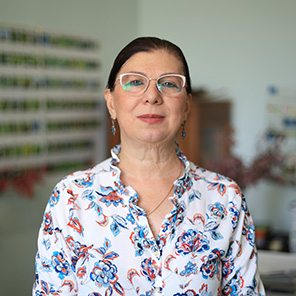
Coordinator
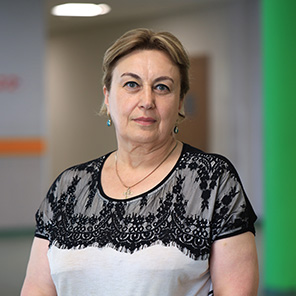
Diana Khomasuridze
Associate Professor; Coordinator of the School of Agronomy and Landscape Management; Chief Scientist at the Laboratory of Ecological Agriculture and Nature Conservation
საქართველო და გაერთიანებული სამეფო მე-19 საუკუნის მიწურულს: მარჯორი და ოლივერ უორდროპების პირადი მიმოწერის საფუძველზე (წერილების გამოცემა და ქართული თარგმანი) (2023 - 2026)
პროექტის ფარგლებში შესწავლილი იქნება და გამოიცემა ოქსფორდის უნივერსიტეტის ბოდლის ბიბლიოთეკაში დაცული მარჯორი და ოლივერ უორდროპების მიმოწერა, რომელიც ცოტა ხნის შემოსწირეს ბიბლიოთეკას ოლივერ უორდროპის შთამომავლებმა.

საქართველო და გაერთიანებული სამეფო მე-19 საუკუნის მიწურულს: მარჯორი და ოლივერ უორდროპების პირადი მიმოწერის საფუძველზე (წერილების გამოცემა და ქართული თარგმანი) (2023 - 2026)
პროექტის ფარგლებში შესწავლილი იქნება და გამოიცემა ოქსფორდის უნივერსიტეტის ბოდლის ბიბლიოთეკაში დაცული მარჯორი და ოლივერ უორდროპების მიმოწერა, რომელიც ცოტა ხნის შემოსწირეს ბიბლიოთეკას ოლივერ უორდროპის შთამომავლებმა.