



Atlanto-Axial Subluxation in a Pekingese
03 February 2026
Atlanto-Axial Subluxation in a Pekingese - A Successful Surgical Outcome.
At Veterinarium, a Pekingese dog, Bubu, was diagnosed with atlanto-axial subluxation, a condition characterized by instability between the first and second cervical vertebrae (C1-C2), which can lead to spinal cord compression and subsequent neurological dysfunction.
On the night of January 24, Bubu developed tetraparesis, with complete inability to move any of the four limbs. Surgical intervention was performed at Veterinarium on January 29, and by the following day the patient had already regained the ability to walk.
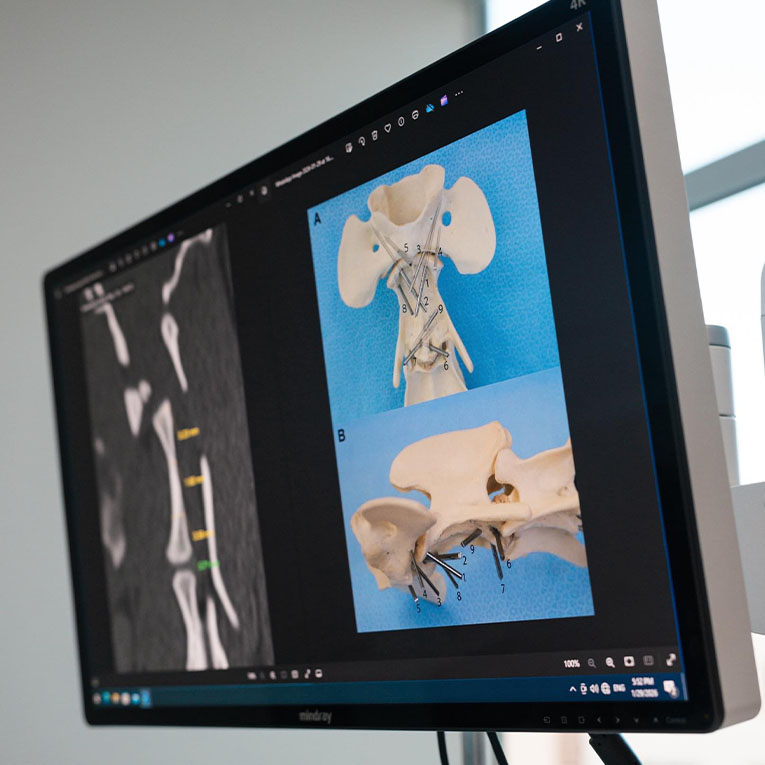
For accurate diagnosis, computed tomography (CT) was performed at the Vet CT facility located on the Kakha Bendukidze Campus. Based on the imaging findings, the diagnosis of atlanto-axial subluxation was confirmed by Veterinarium’s Head Veterinarian, Dr. Lasha-Giorgi Japaridze.
At Veterinarium, great importance is placed on pre-anesthetic evaluation. Accordingly, prior to surgery the patient underwent:
- Laboratory testing - complete blood count, blood biochemistry profile, and electrolyte analysis
- Cardiac ultrasonography
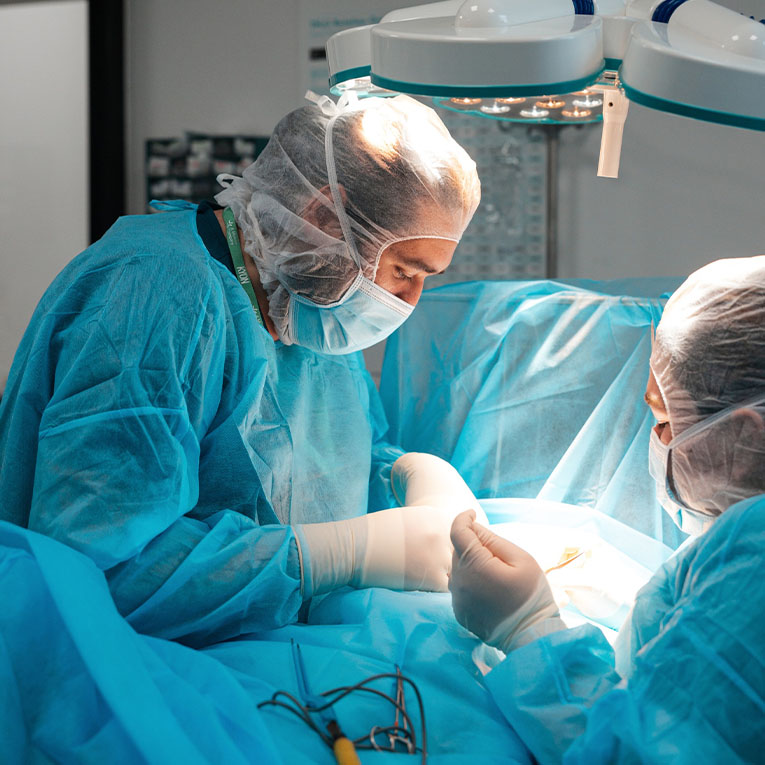
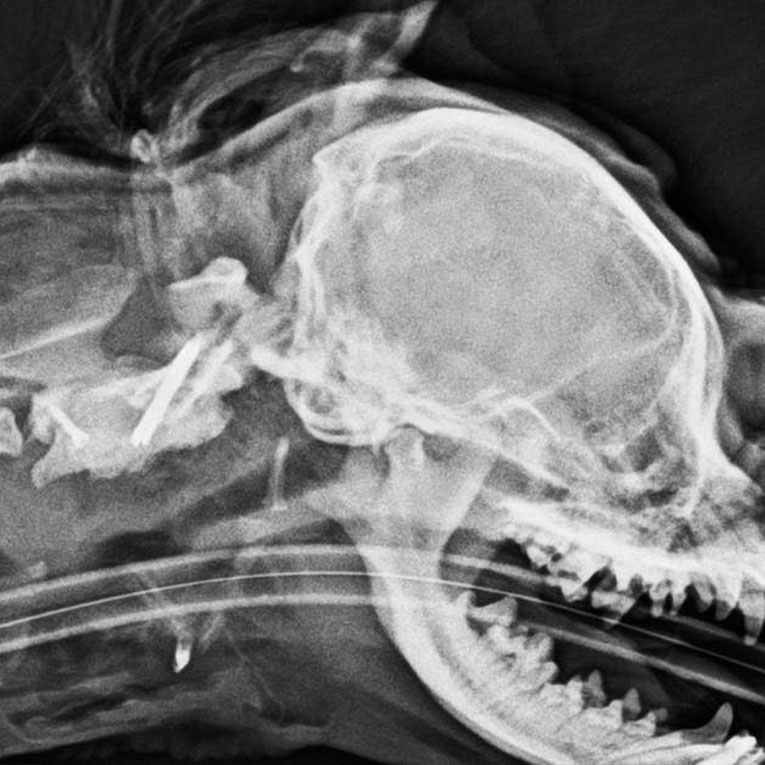
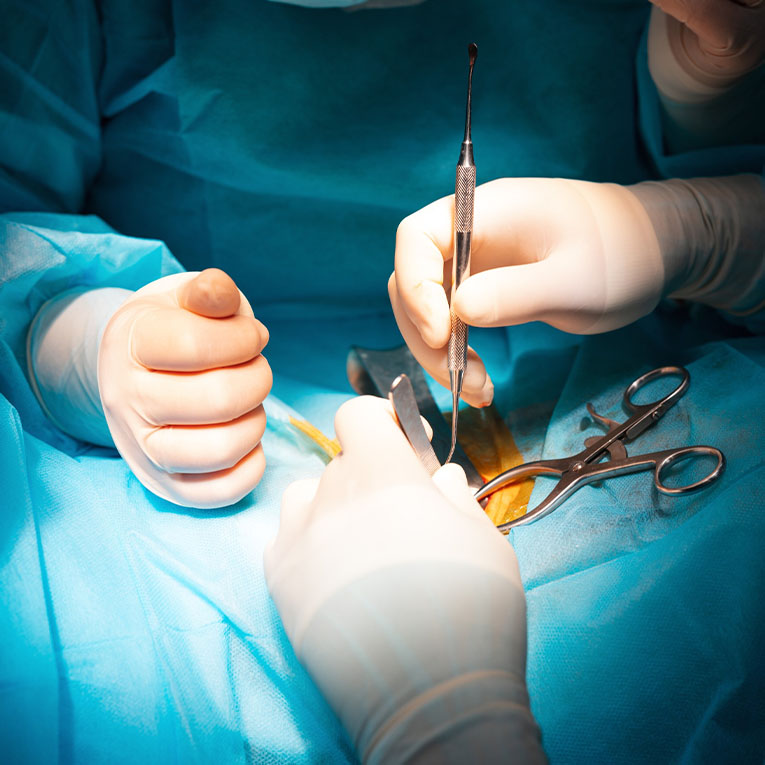
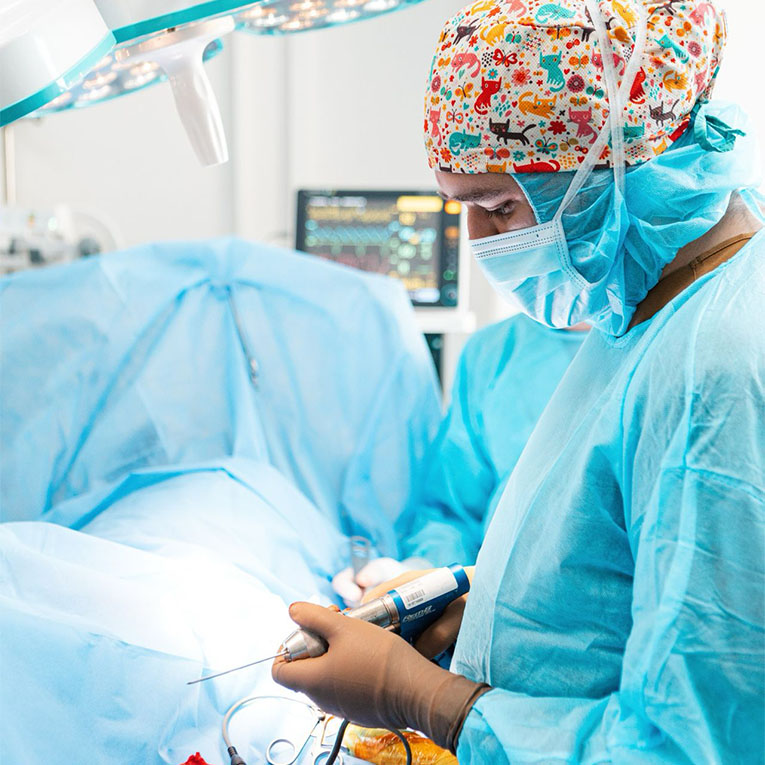
Given the severity of the condition, surgical stabilization was undertaken. Fixation of the atlanto-axial joint was achieved using two transarticular threaded pins placed across the C1-C2 articulation. Additionally, two screws were inserted into the cranial and caudal aspects of the axis (C2). Bone cement was applied in combination with the pins and screws to reinforce fixation.
The procedure was particularly challenging due to the patient’s small body size and the dimensions of the cervical vertebrae. This necessitated meticulous preoperative planning, the use of microsurgical techniques, and maximal precision during the surgical procedure.
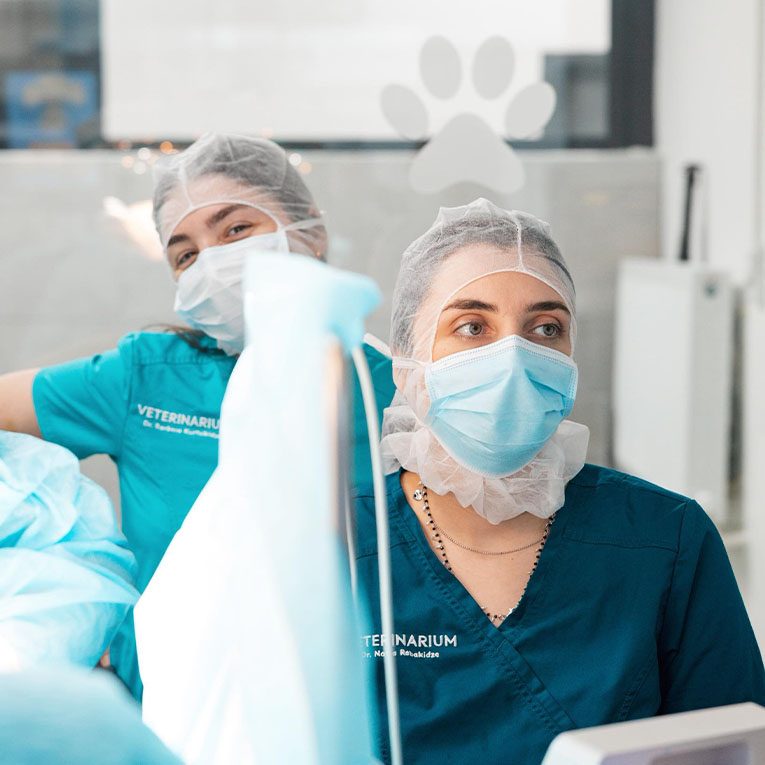
Despite these challenges, the surgery was successfully performed by Dr. Lasha-Giorgi Japaridze, with assistance from Mari Kapanadze, a master’s student at the School of Veterinary Medicine of the Agricultural University of Georgia. Anesthetic management was effectively carried out by the clinic’s anesthesiologist, Natia Robakidze.
Bubu’s postoperative rehabilitation is progressing successfully. As noted above, the patient, who was unable to move any limbs prior to surgery, regained the ability to walk on the day following surgical intervention.
The post is accompanied by a computed tomography (CT) image.
Similar news
05 February 2026
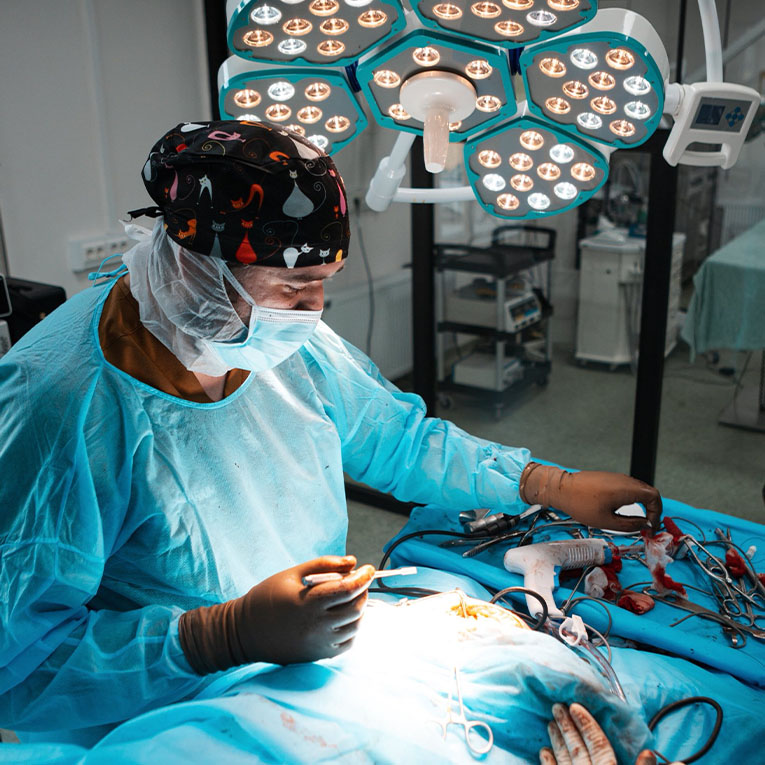
The story of a Weimaraner
02 February 2026
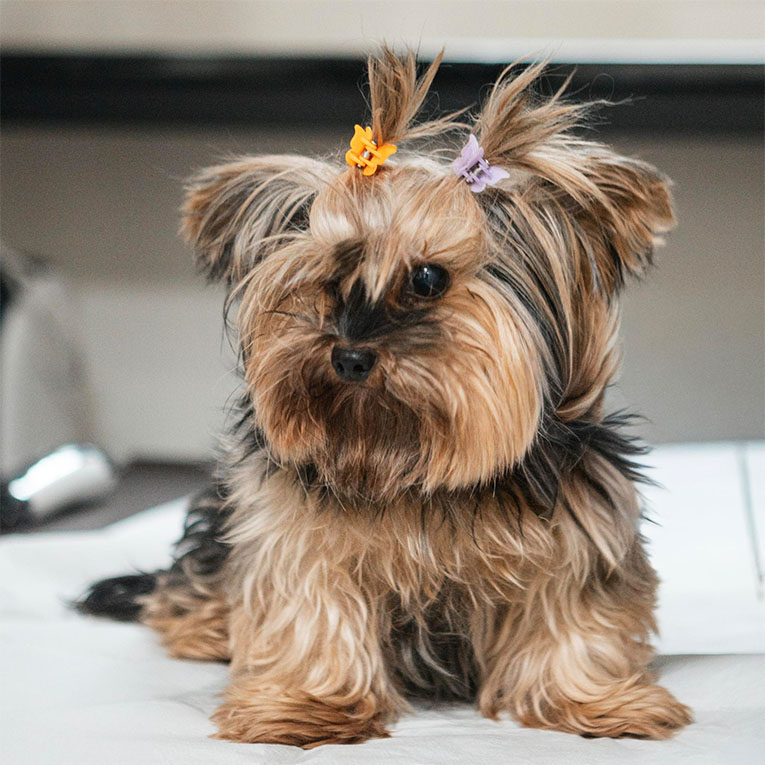
Clinical Case of Brauny, a Yorkshire Terrier
24 January 2026
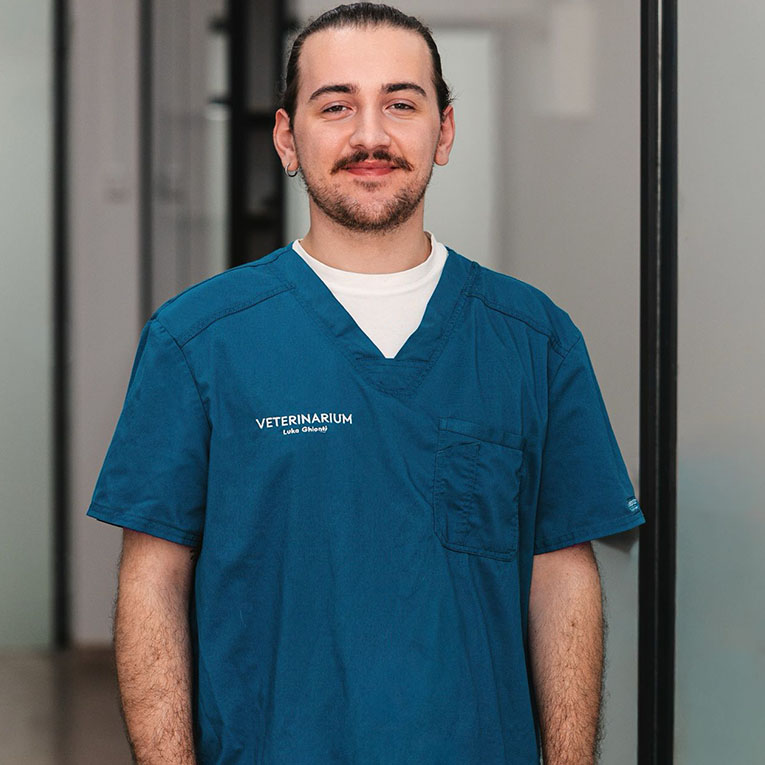
Another Veterinarium team member to complete intensive practical training in Estonia
23 January 2026
Successful TPLO Procedures in Large-Breed Dogs.
22 January 2026