



Diabetic Ketoacidosis in a Cat
03 April 2026
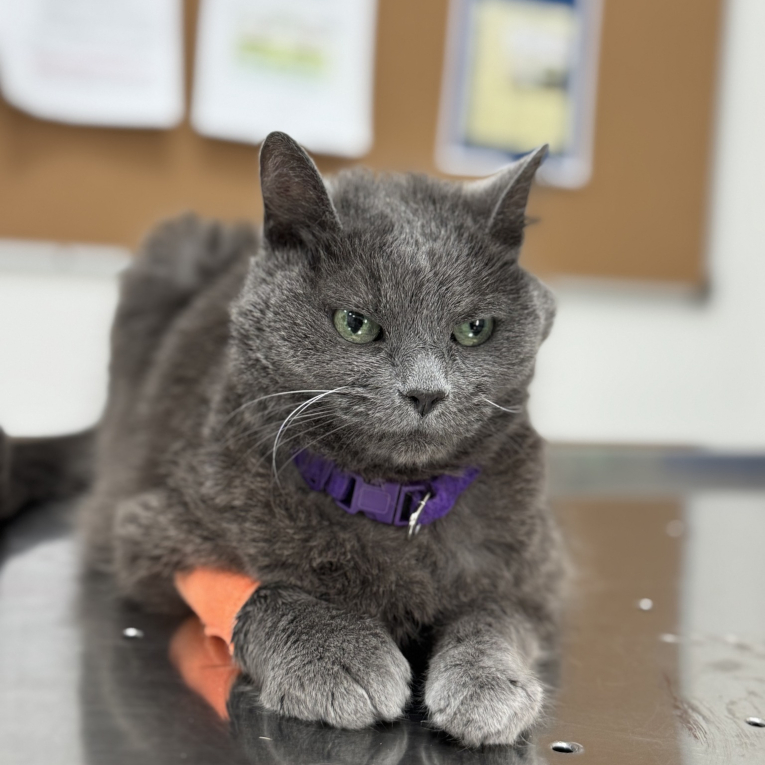
Diabetic Ketoacidosis in a Cat - A Clinical Case of Nora.
A 14-year-old mixed-breed cat, Nora, was presented to the Veterinarium Clinic. Over the past month, she had exhibited significant weight loss, lethargy (reduced activity and increased sleepiness), polyuria (frequent urination), polydipsia (excessive water intake), dehydration, decreased appetite, mildly reduced responsiveness to neurological stimuli, and a plantigrade stance.
Following a physical examination and thorough history taking, the clinic’s internist, Barbare Kurtsikidze, recommended the following diagnostic tests: serum biochemistry, complete blood count (with morphology), electrolyte panel, urinalysis, and abdominal ultrasonography.
The test results revealed several notable findings:
- Hyperglycemia on biochemical analysis: 20,5 mmol/L (reference range: 3,9-8,2 mmol/L)
- Elevated liver enzymes, indicating impaired hepatic function
- Lymphopenia on complete blood count
- Urinalysis: glucose 500+++, presence of ketone bodies
Based on the laboratory findings, clinical presentation, and medical history, Nora was diagnosed with diabetic ketoacidosis (DKA), a severe complication of diabetes mellitus. Key diagnostic indicators included glucosuria (glucose in urine), ketonuria (ketone bodies in urine), and hyperglycemia (elevated blood glucose levels).
Diabetic ketoacidosis is a serious complication of diabetes mellitus characterized by insulin deficiency. As a result, blood glucose levels rise, and the body begins to break down fat for energy, leading to the production and accumulation of ketone bodies.
Taking into account the diagnostic findings and overall clinical condition, Barbare Kurtsikidze developed the following treatment plan:
- Intravenous fluid therapy (administered over 5 days in the clinic)
- Insulin therapy (Lantus), administered every 12 hours (dose adjusted individually)
- Appropriate dietary management
- Frequent daily blood glucose monitoring using a glucometer
The treatment proved effective: blood glucose levels decreased significantly, polyuria and polydipsia resolved, Nora resumed independent feeding, and her activity level improved.
Regular follow-up evaluations are essential, including complete blood count, biochemical analysis, and electrolyte assessment.
Similar news
28 March 2026
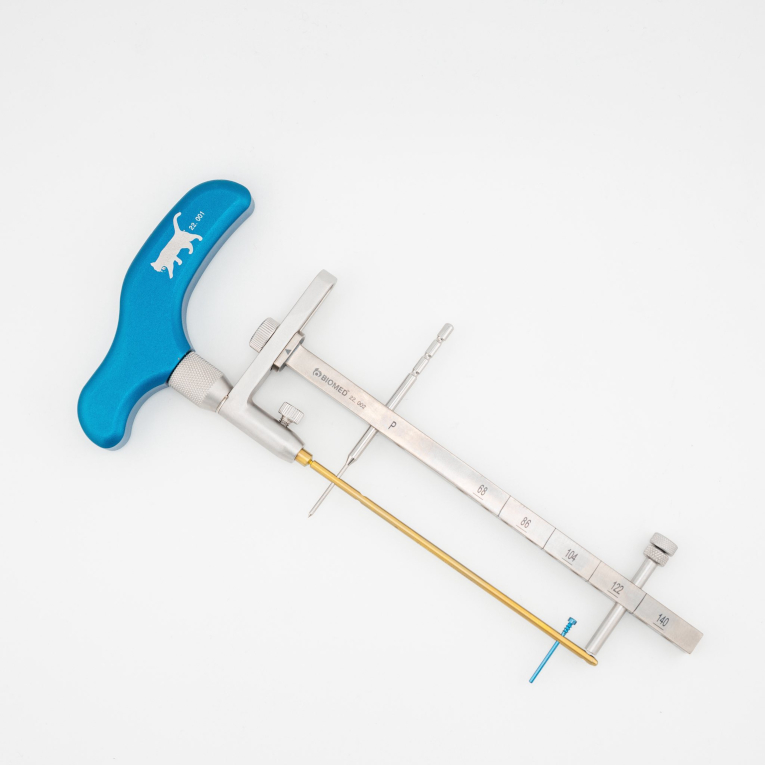
For the First Time in Georgia, the I-Lock Interlocking Nail System Has Been Introduced at Veterinarium
24 March 2026
PCR ტესტირება ვეტერინარიუმში ფასდაკლებით
23 March 2026
Successful Endoscopic Removal of a Gastric Foreign Body
20 March 2026
ცოდნა, შრომა, თავისუფლება
17 March 2026