


The story of a Weimaraner
05 February 2026
A Weimaraner was diagnosed with hip dysplasia and underwent total hip replacement using a cemented prosthetic system in Turkey. 3 weeks after surgery, the patient developed lameness.
The dog was presented to the Veterinarium Clinic, where radiographic examination revealed infection of the hip endoprosthesis. This condition was associated with significant pain and persistent lameness.
Given that complete eradication of infection from a cemented hip prosthesis is practically impossible, a decision was made to proceed with explantation (removal) of the prosthesis.
Prior to making this decision, the clinic’s Head Veterinarian, Dr. Lasha-Giorgi Japaridze, consulted with veterinary specialists from Italy and Bulgaria. In their written opinions, they noted that removal of a cemented prosthesis is technically extremely challenging due to the high risk that the cement may not be completely separated from the bone, allowing the infectious process to persist. They suggested that the patient should ideally be transported back to Turkey and that prosthesis removal should be performed by the surgeon who carried out the original procedure.
However, returning the patient to Turkey was associated with substantial financial costs and significant logistical challenges. According to the owner, the dog experienced severe stress during the previous transportation. Taking these factors into account, Lasha-Giorgi Japaridze decided that explantation of the infected endoprosthesis would be performed at the Veterinarium Clinic.
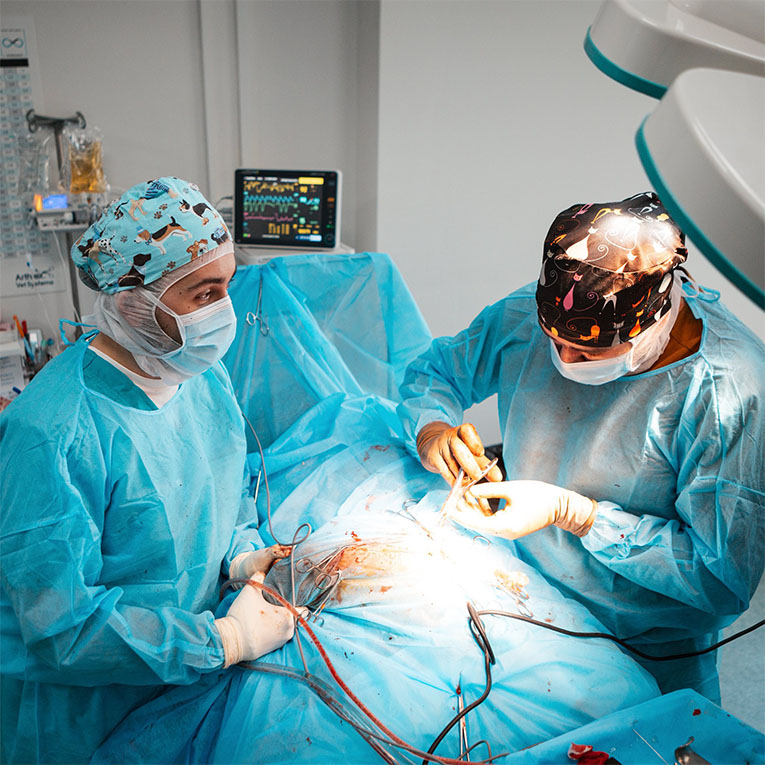
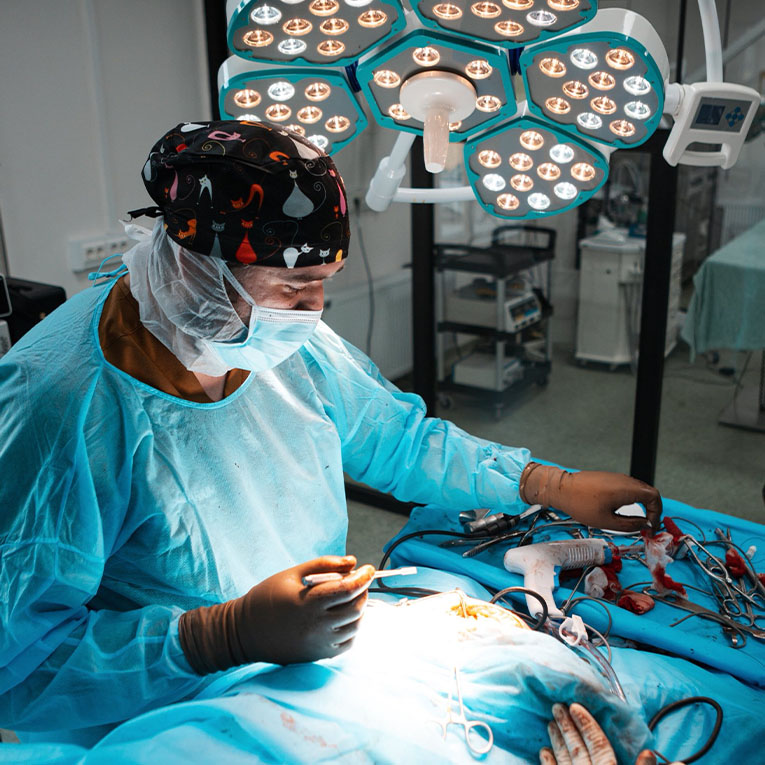
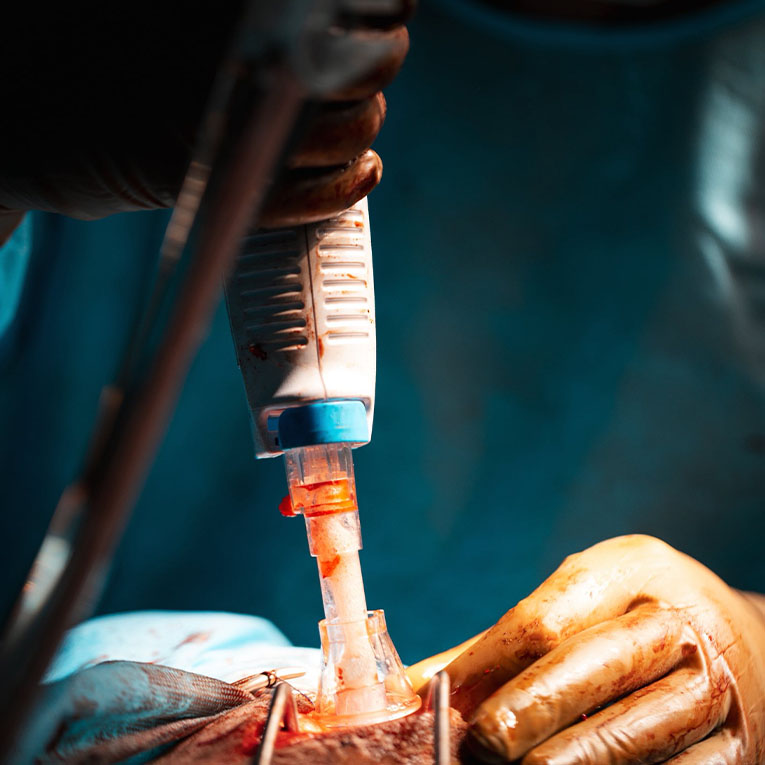
The surgical procedure was performed by Lasha-Giorgi Japaridze, lasted approximately 4 hours, and was completed successfully. The infected endoprosthesis was completely removed, all cement was fully separated from the bone, and thorough bone debridement was performed, resulting in resolution of the infectious process.
To prevent the risk of fracture, a locking titanium plate was additionally applied.
Surgical assistance was provided by Luka Ghlonti, a master’s student at the School of Veterinary Medicine of the Agricultural University of Georgia. The complex 4-hour anesthetic procedure was managed smoothly and without complications by the clinic’s anesthesiologist, Natia Robakidze, with continuous patient monitoring and maintenance of stable hemodynamics.
Similar news
09 March 2026
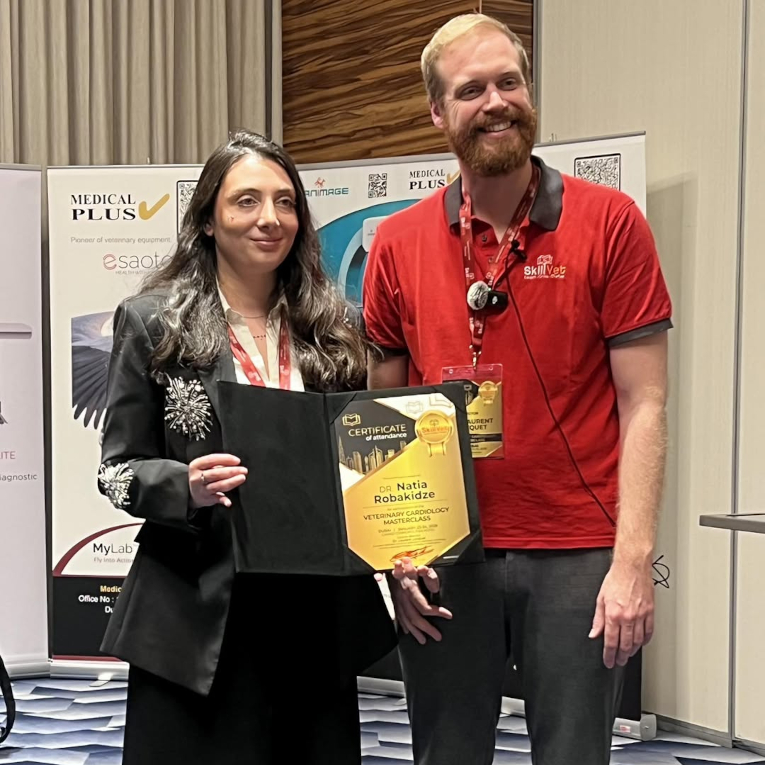
Natia Robakidze, participated in a veterinary cardiology masterclass
05 March 2026
Veterinarium Clinic is running a campaign to support stray cats
03 March 2026
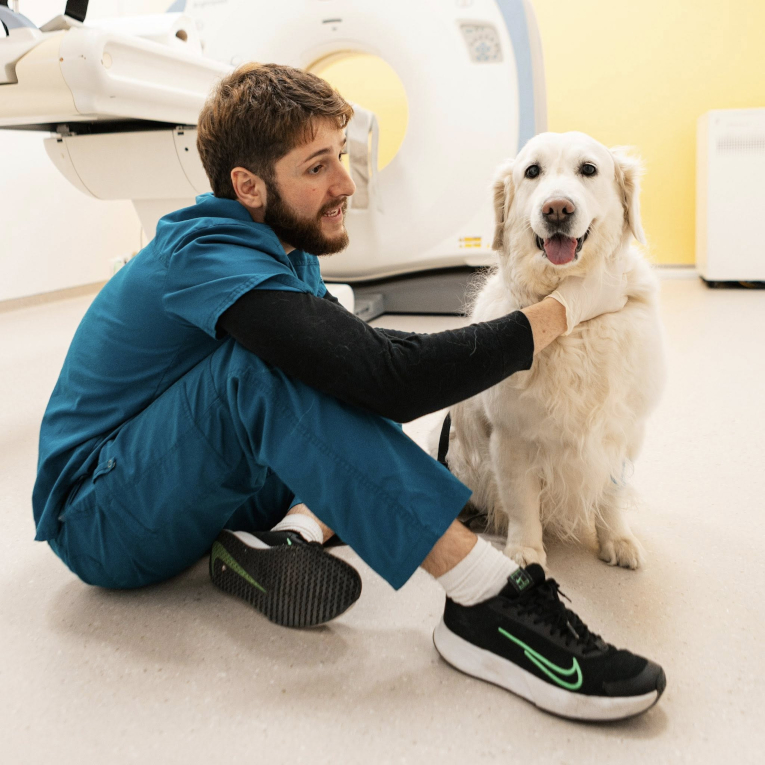
A patient was referred to Veterinarium from Armenia to undergo a complex surgical procedure

23 February 2026
Diagnosis of Nonregenerative Immune Mediated Hemolytic Anemia in a Cat
15 February 2026