



An Exceptionally Complex and Challenging Clinical Case
14 April 2026
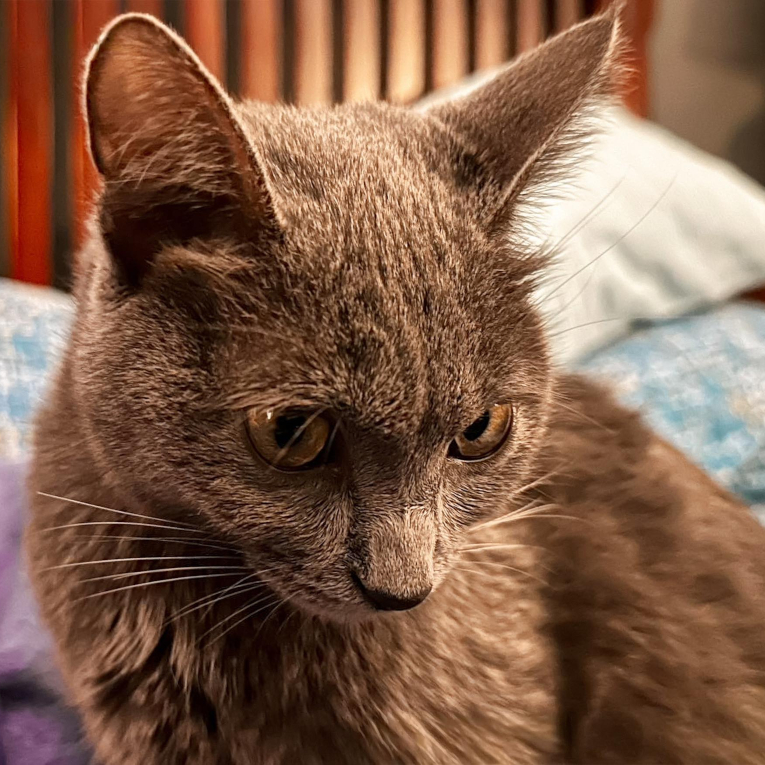
Tokyo, a 10-month-old mixed-breed cat, was presented to Veterinarium following severe trauma sustained from a fall from height.
Clinical and radiographic evaluation revealed:
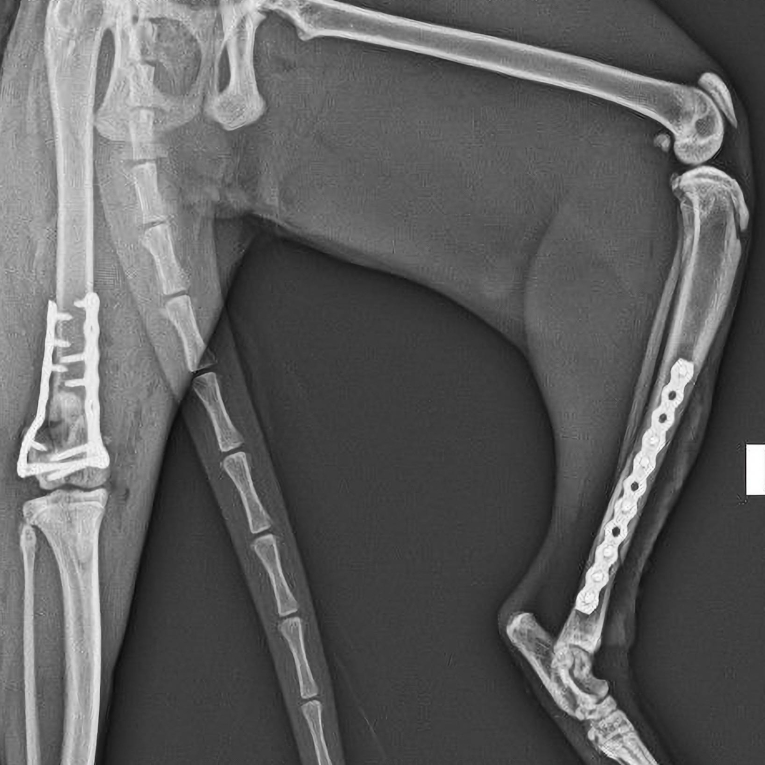
- A comminuted distal physeal fracture of the right femur - Salter-Harris IV fracture (intra-articular involvement)
- A left tibial fracture classified as AO/OTA 42-A1 fracture
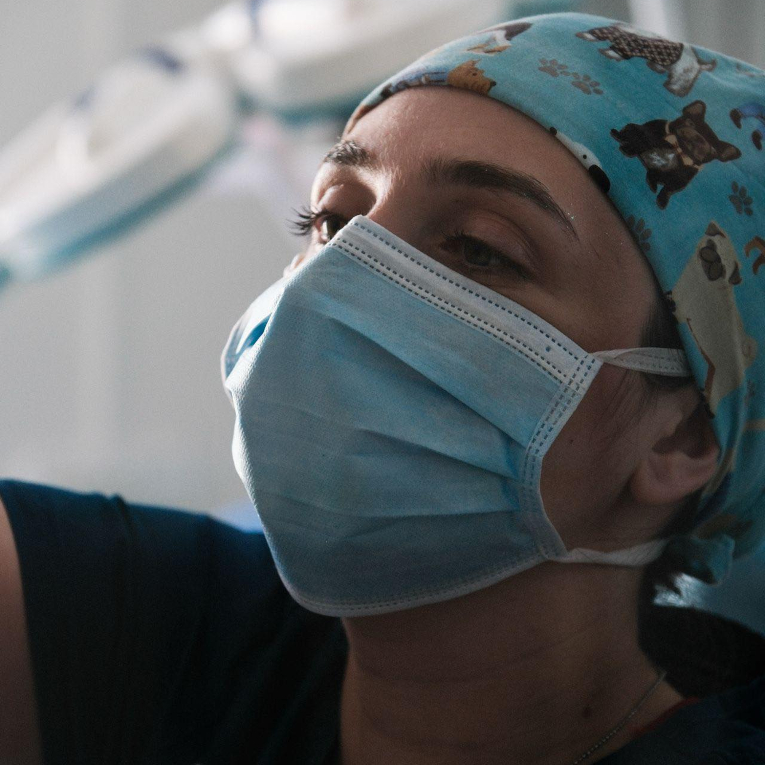
At presentation, the patient was in critical condition. She was dehydrated (having refused food and water for more than 24 hours following trauma due to pain and stress), with pale mucous membranes, hypothermia, and hypotension. Despite the clear indication for surgical intervention, the patient’s unstable condition required immediate initiation of intensive therapy and preoperative stabilization. This process was managed by under the supervision of internist and anesthesiologist Natia Robakidze.
Parallel to stabilization, additional diagnostics were performed:
- Abdominal ultrasonography revealed changes in echogenicity of both kidneys, tubular congestion, structural hepatic alterations, and free fluid within the abdominal cavity
- Echocardiographic evaluation identified left atrial enlargement (LA/Ao=1,9) and dilation of the vena cava
Based on the comprehensive assessment of the patient’s overall condition, vital parameters, pre-anesthetic laboratory findings, and ultrasonographic results, Tokyo remained in a high anesthetic risk category. However, due to severe orthopedic injuries affecting both hind limbs, surgical intervention was unavoidable and was scheduled.
The surgery was exceptionally complex and technically demanding, due to several critical factors:
1. Bilateral trauma - simultaneous surgical intervention on both hind limbs required prolonged operative time, further increasing anesthetic risk
2. Salter-Harris type IV fracture - an intra-articular fracture involving both the metaphysis and epiphysis. Surgical management requires millimetric anatomical reduction, as even minimal deviation can result in joint degeneration and growth disturbances
3. Comminution - the fracture was multi-fragmentary, significantly complicating stable fixation and increasing the importance of precise implant positioning
4. Critical condition of the patient - based on overall clinical status, vital parameters, pre-anesthetic analyses, and imaging findings, the patient remained in a severe condition
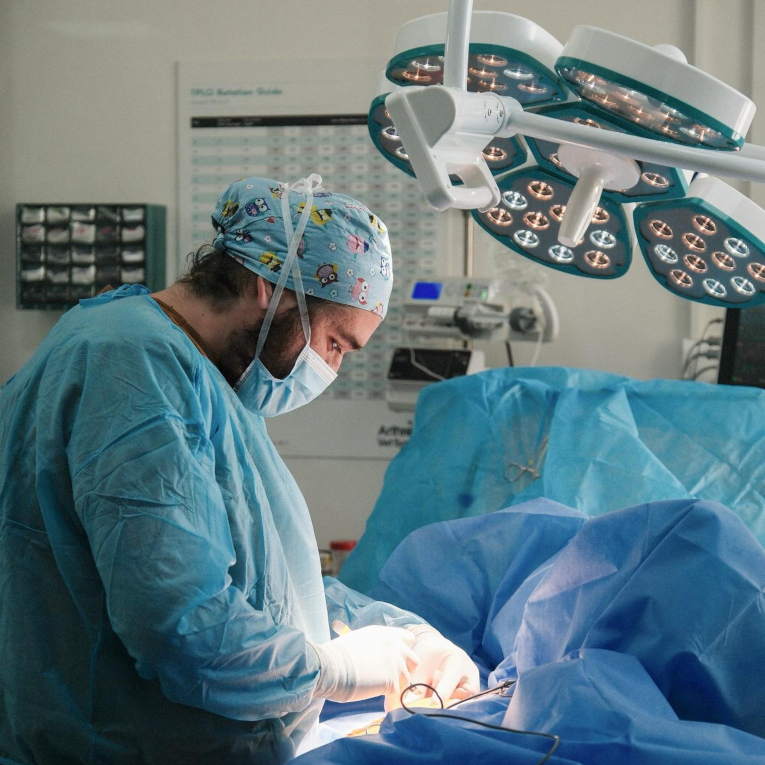
During the several-hour surgical procedure:
- The right femur was stabilized using dual locking plates and an additional interfragmentary compression screw
- The left tibia was stabilized using a locking titanium plate
The surgery was performed by Veterinarium’s Head Veterinarian Lasha-Giorgi Japaridze, while anesthesia was managed by Natia Robakidze. The surgeon was assisted by Mari Kapanadze. During the procedure, multiple anesthetic complications occurred; however, all were promptly and effectively managed.
Due to the patient’s severe preoperative condition, close monitoring was required in the postoperative period. Although Veterinarium does not currently operate a 24-hour inpatient facility, the head veterinarian and anesthesiologist remained in the clinic overnight due to the patient’s critical condition. Tokyo was maintained on intensive care, receiving continuous oxygen supplementation and ongoing monitoring of vital parameters throughout the night.
By the following morning, the patient’s condition had stabilized. Repeat laboratory testing confirmed positive progression, and Tokyo was discharged later that day and returned home.
Following discharge, Tokyo was administered approximately double the appropriate dose of Meloxicam at another clinic. Within a few days, her condition deteriorated again.
Tokyo was readmitted to Veterinarium, where her condition was once again successfully managed by Natia Robakidze and the clinical team. With appropriate intensive therapy, the patient’s life was once again saved.
The post is accompanied by a postoperative radiograph.
Similar news

15 April 2026
Complex Cardiology Case
13 April 2026
Dental Cleaning for Companion Animals at Veterinarium
06 April 2026
Life-Threatening Hyperkalemia in a Cat
05 April 2026
Donor Superheroes Club
04 April 2026