


Congenital Heart Defect
27 August 2026
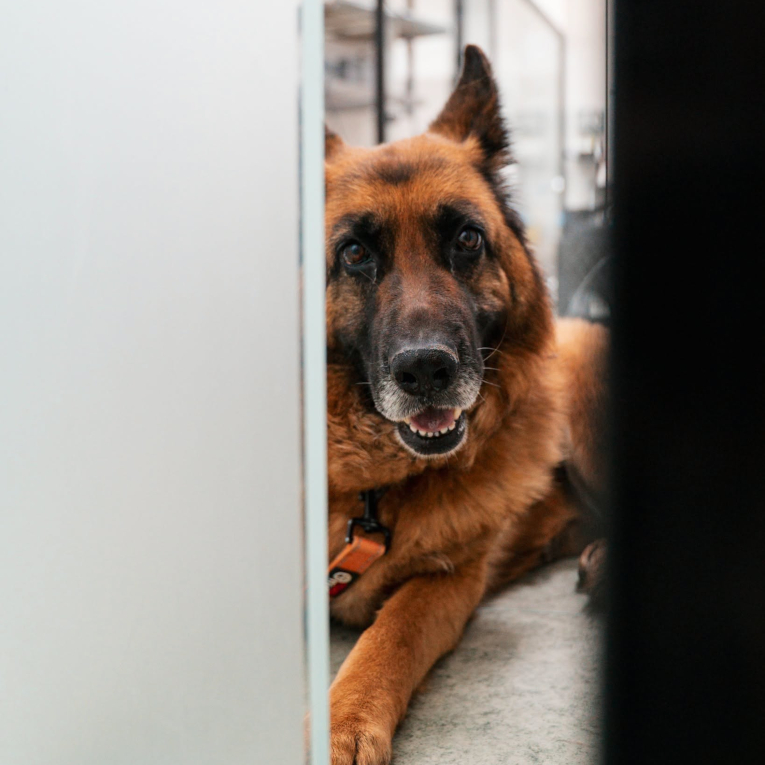
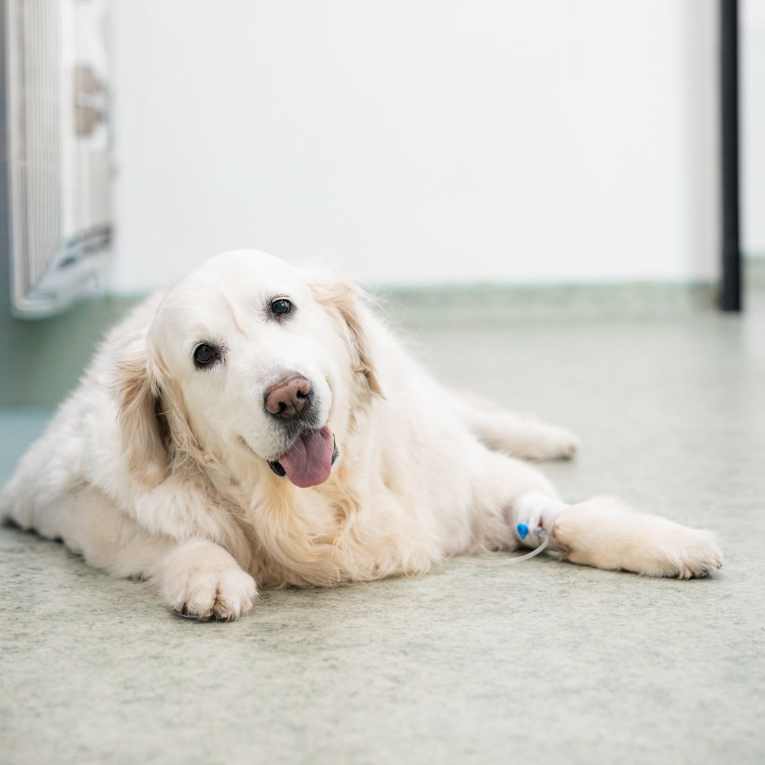
This is Molly, a 6-year-old German Shepherd who was found to have a congenital heart defect during her pre-anaesthetic examination. She was brought to Veterinarium because of a soft-tissue mass on her paw. Cytological examination of a sample collected from the mass revealed a neoplastic process, and surgical excision was therefore planned.
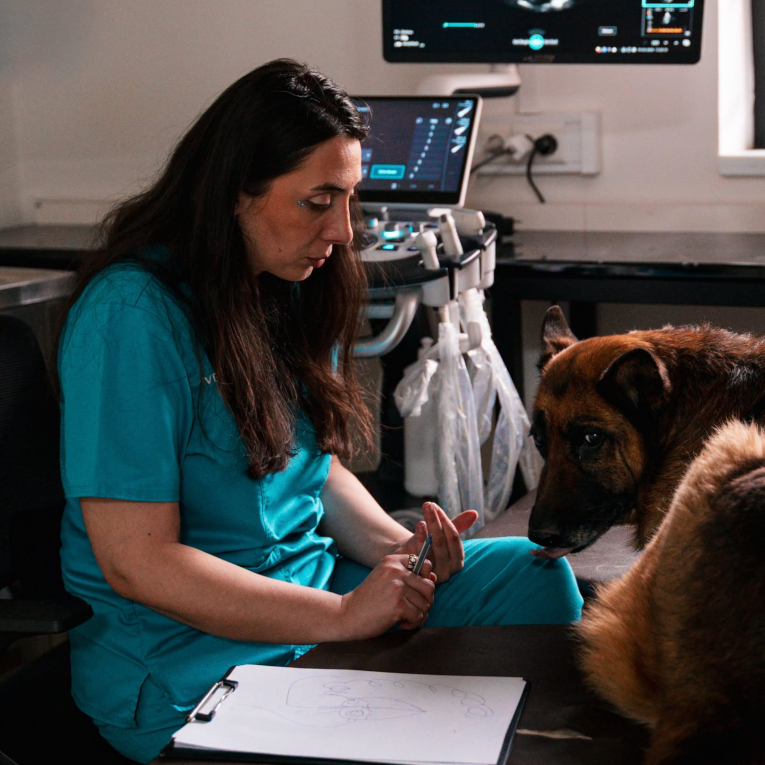
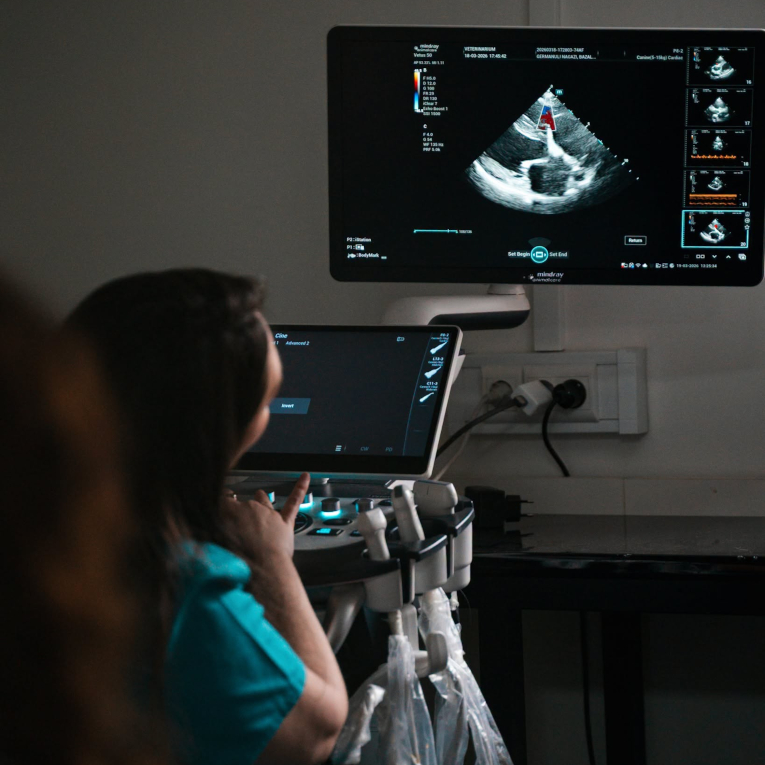
To prepare for the surgery and assess the anaesthetic risks, Molly underwent an echocardiographic examination. During the examination, Veterinarium’s cardiologist and anaesthesiologist, Natia Robakidze, identified an atrial septal defect. An atrial septal defect is a congenital abnormality in which the wall separating the right and left atria is not fully intact. As a result, blood flows from one atrium to the other, altering cardiac haemodynamics and potentially causing volume overload of the right side of the heart and the pulmonary blood vessels.
Molly’s mass was located on one of her toe bones. It had gradually increased in size and was causing persistent irritation and discomfort, making its removal necessary. However, her heart condition and the large size of the septal defect placed her at high risk of anaesthetic complications.
The patients’s owner learned that she had a congenital heart defect only during the pre-anaesthetic examination. Molly had shown no clinical signs that would have given her owner reason to suspect such a cardiac condition. This is why routine health examinations are so important, particularly before surgical procedures.
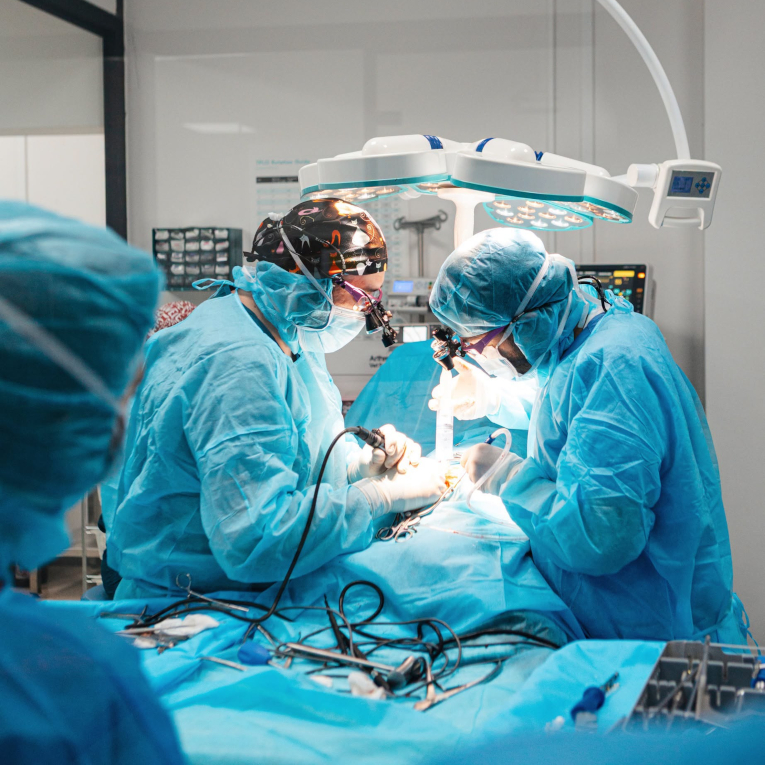
Molly’s owner was informed of the risks associated with the surgery and anaesthesia. Despite the challenges, the owner decided to proceed with the operation. The surgery was performed by Veterinarium’s Head Veterinarian, Lasha-Giorgi Japaridze, while the complications that arose during anaesthesia were appropriately managed by Natia Robakidze.
Following surgery, Molly remained in the surgical inpatient unit for several hours, where she received oxygen therapy and was kept under continuous observation. Once her condition had stabilised, she was discharged home.