



Life-Threatening Hyperkalemia in a Cat
06 April 2026
Life-Threatening Hyperkalemia in a Cat - Tommy’s Clinical Case.
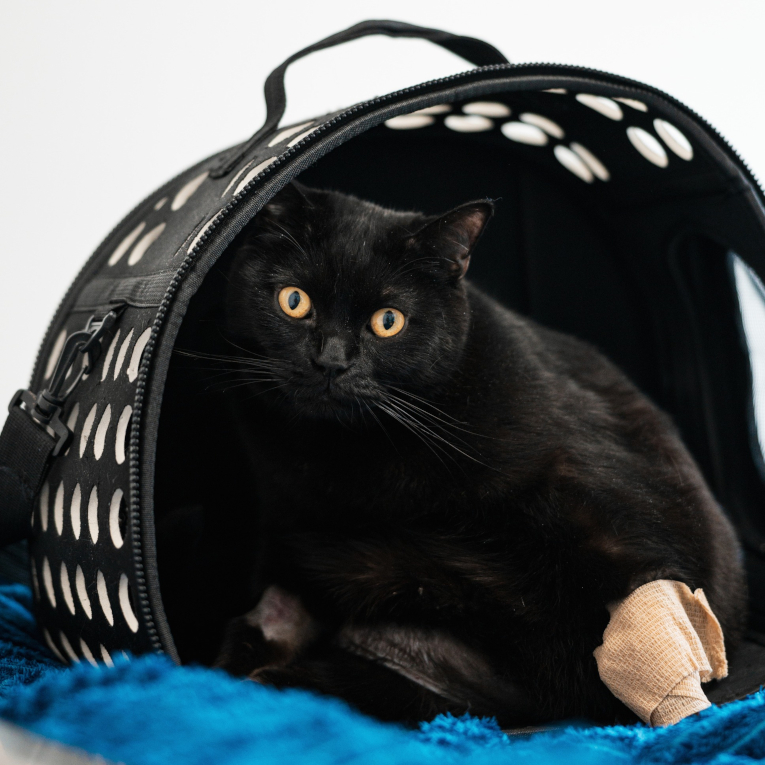
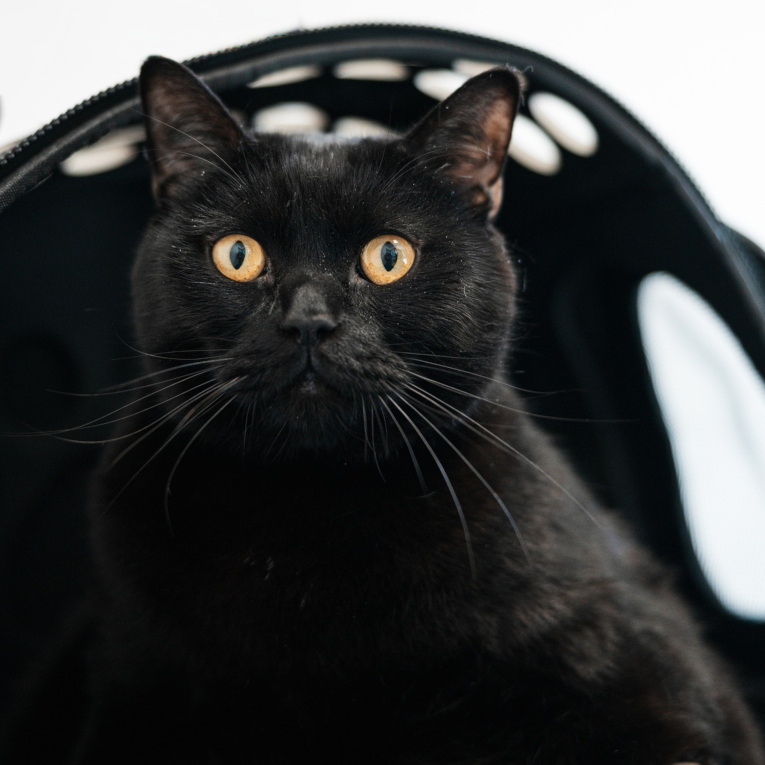
Tommy, a 4-year-old Scottish-type mixed-breed cat, was presented to Veterinarium with vomiting. Based on the clinical history, one of the primary differential diagnoses was urethral obstruction.
An ultrasonographic examination performed at Veterinarium confirmed the presence of this pathological condition and also revealed a large amount of sediment within the urinary bladder.
This condition is life-threatening, as urinary retention leads to the backflow of toxic metabolites and electrolytes, normally excreted, from the body into the bloodstream. Therefore, prompt correction of electrolyte imbalances and immediate relief of the urinary obstruction are critical.
Tommy’s electrolyte panel revealed life-threatening abnormalities, with potassium measured at 8,5 mmol/L (reference range: 3,4-4,6). Such severe hyperkalemia can cause arrhythmias and bradycardia, often resulting in fatal outcomes. Biochemical analysis also showed elevated renal parameters (creatinine and urea), indicating that urinary retention had led to acute kidney injury (AKI) and post-renal azotemia. Additionally, hyperphosphatemia and hypocalcemia were observed.
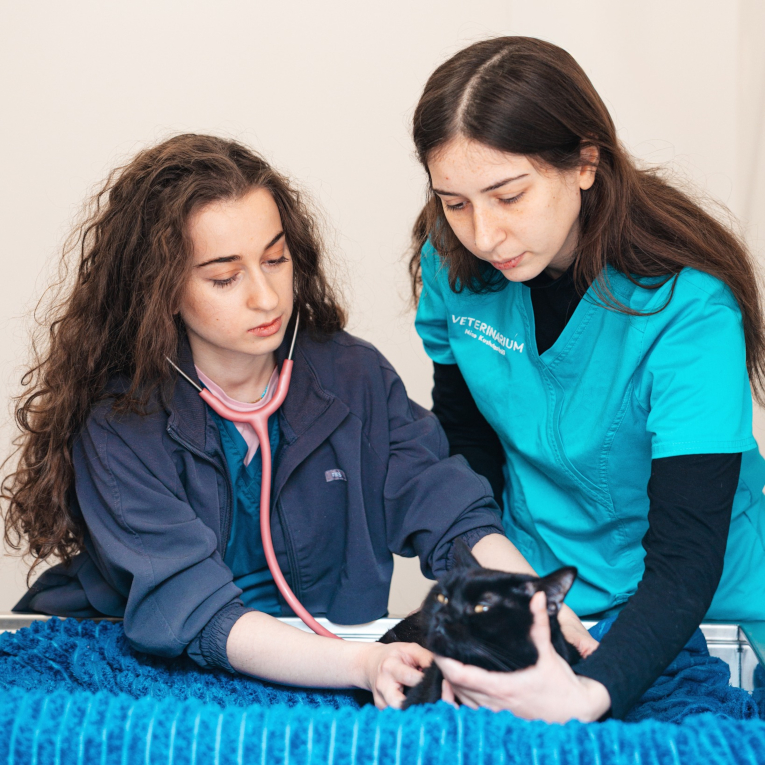
To stabilize Tommy’s condition, immediate urinary catheterization was performed, and intravenous fluid therapy was initiated to correct hyperkalemia. Urinalysis revealed crystalluria, specifically struvite crystals, along with the presence of bacteria and erythrocytes, further supporting a diagnosis of bacterial cystitis.
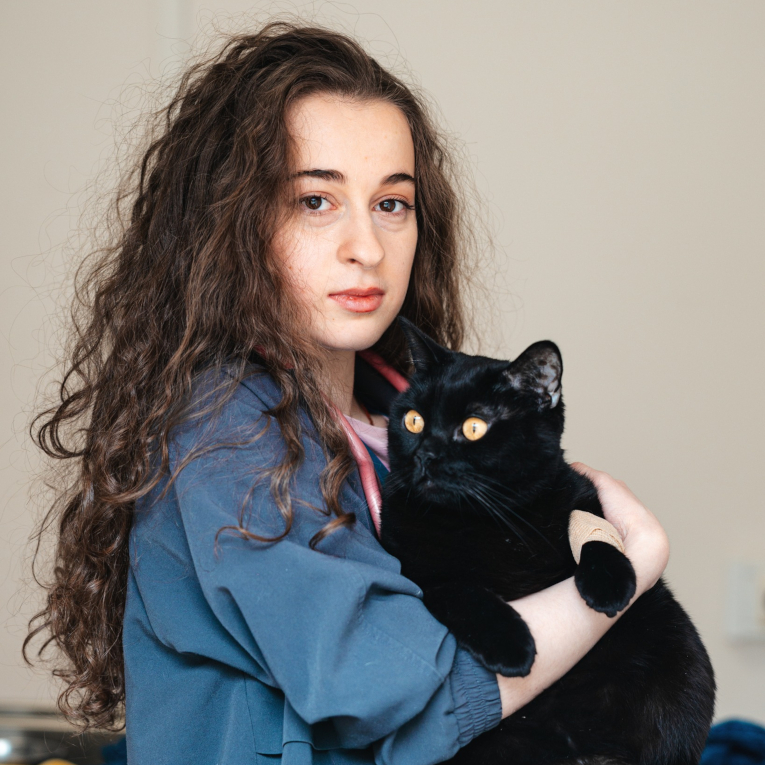
Following a treatment plan developed by Veterinarium’s general practitioners Mariam Berishvili and Nino Kushitashvili, several days of inpatient care resulted in normalization of Tommy’s electrolyte imbalance and renal function parameters. The treatment process was assisted by veterinarian Mariam Kapanadze.
Tommy is now feeling significantly better and continues treatment at home.
Similar news
05 April 2026
Donor Superheroes Club

04 April 2026
Richard Tavdgiridze has joined the Veterinarium team as a Veterinary Assistant
03 April 2026
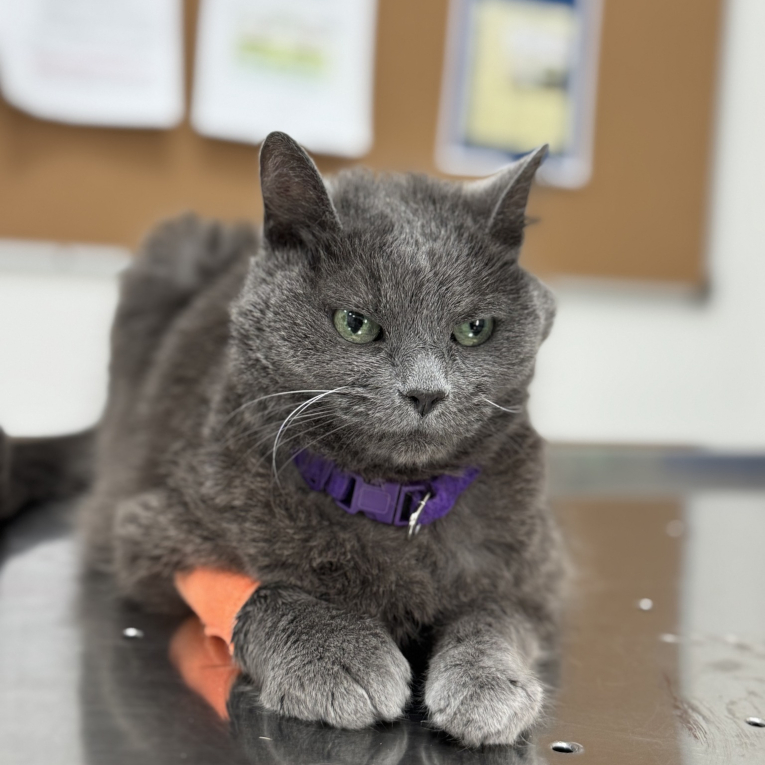
Diabetic Ketoacidosis in a Cat
28 March 2026
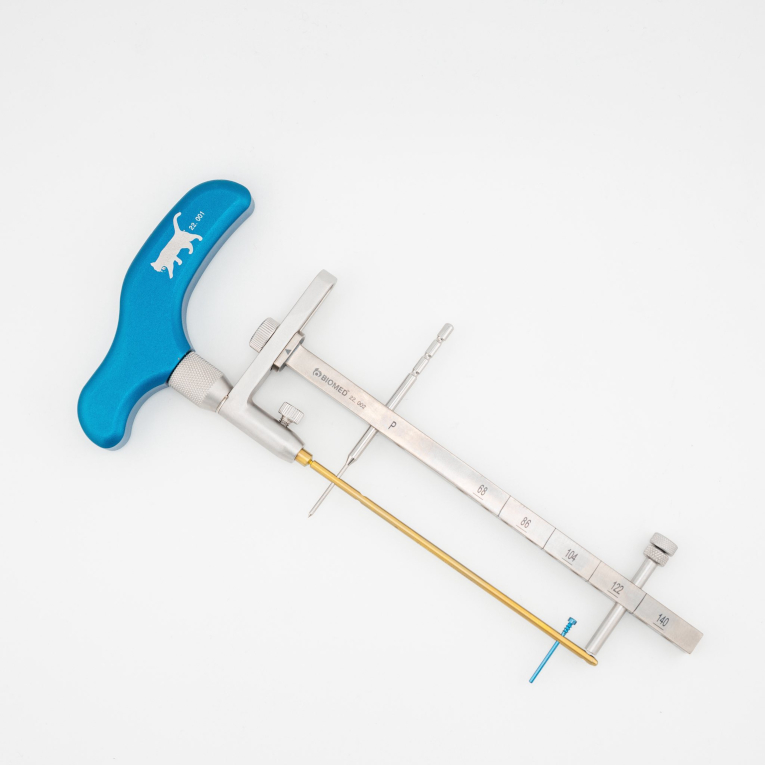
For the First Time in Georgia, the I-Lock Interlocking Nail System Has Been Introduced at Veterinarium
24 March 2026