


Atlanto-Axial Subluxation in a Yorkshire Terrier
10 July 2026
Atlanto-Axial Subluxation in a Yorkshire Terrier - A Successful Surgical Outcome.
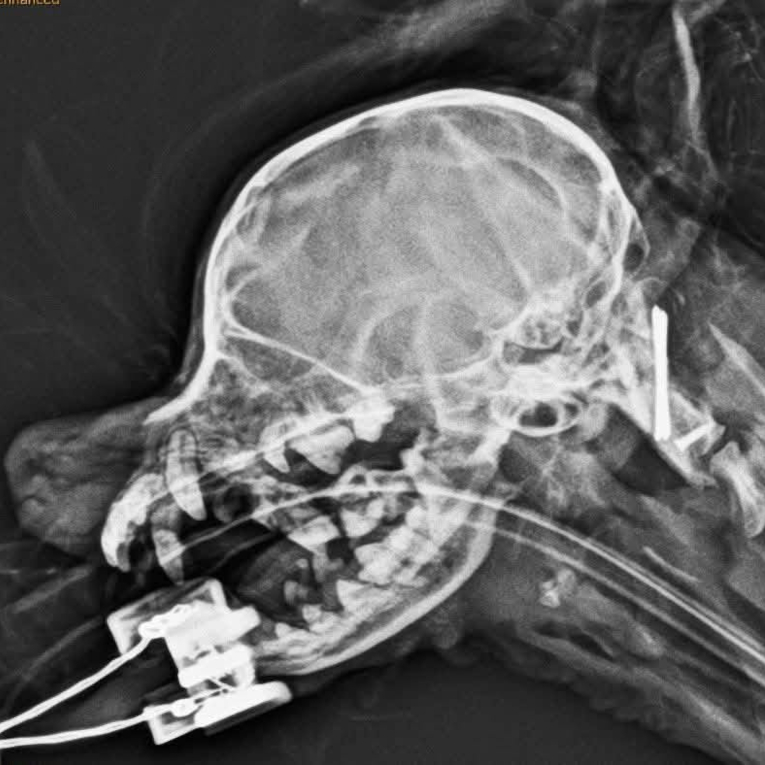
At Veterinarium, a Yorkshire Terrier named Benjamin was diagnosed with atlanto-axial subluxation, a condition characterized by instability between the first and second cervical vertebrae (C1-C2), resulting in spinal cord compression and neurological dysfunction.
As a consequence, Benjamin developed tetraplegia and was unable to move any of his four limbs.
Surgical treatment was performed at Veterinarium on June 27. Within just a few days after surgery, Benjamin regained the ability to walk independently.
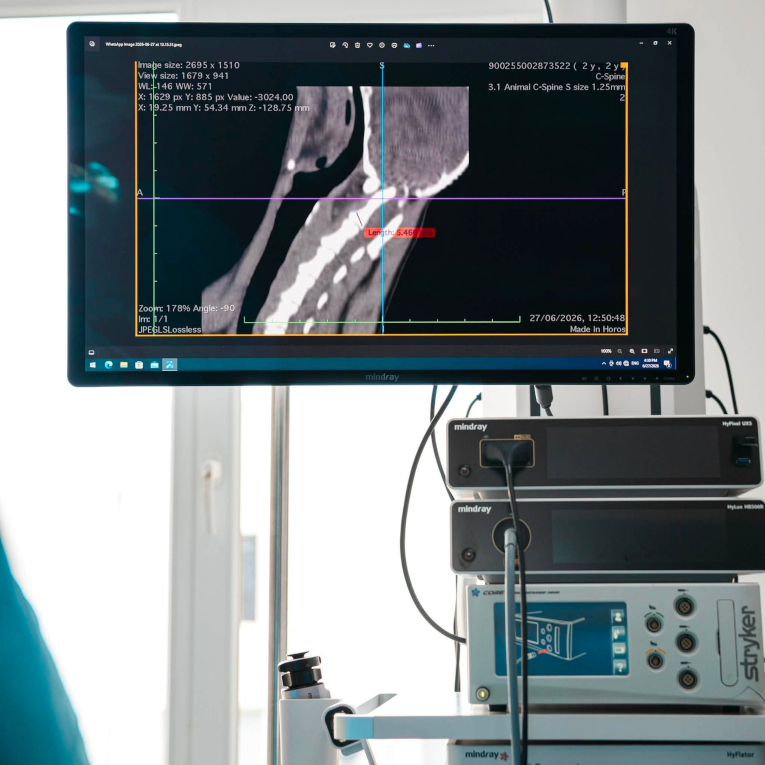
For an accurate diagnosis, computed tomography was performed at Vet CT, located on the Kakha Bendukidze Campus. Based on the CT findings, the diagnosis of atlanto-axial subluxation was confirmed by Veterinarium’s Head Veterinarian, Dr. Lasha-Giorgi Japaridze.
At Veterinarium, great importance is placed on pre-anesthetic assessment. Accordingly, prior to surgery, the patient underwent:
- Laboratory testing - complete blood count, blood biochemistry profile, and electrolyte analysis
- Echocardiographic examination
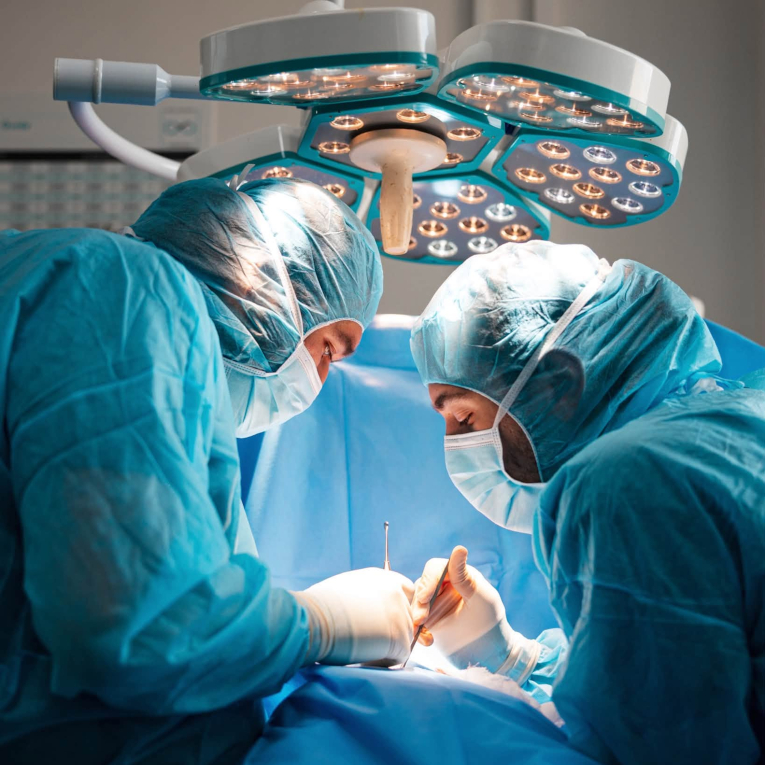
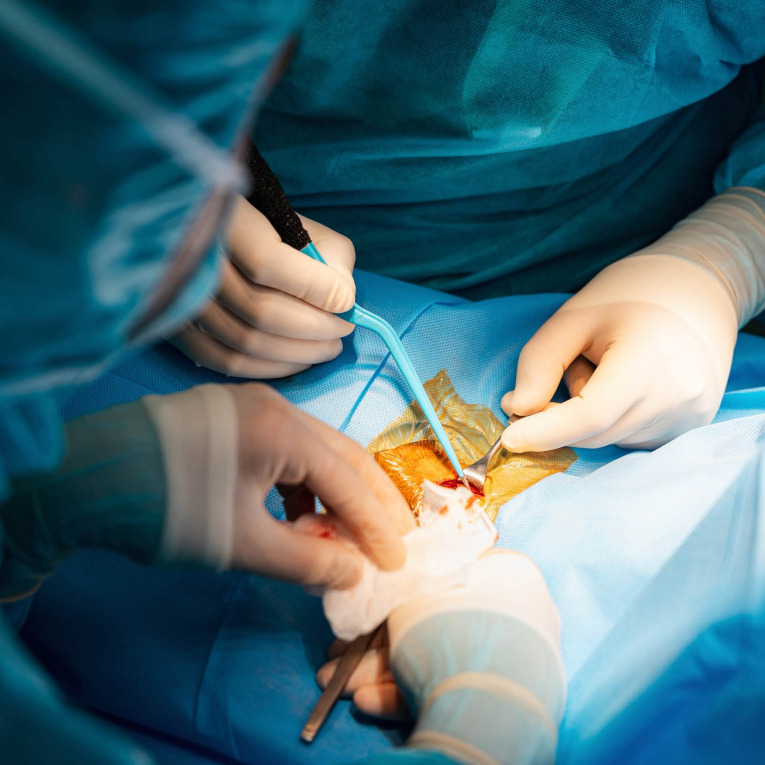
Given the severity of the condition, surgical stabilization was performed. Fixation of the atlanto-axial joint was achieved using two transarticular threaded pins placed across the C1-C2 articulation. In addition, two screws were inserted into the cranial and caudal aspects of the axis (C2). Bone cement was applied in combination with the pins and screws to reinforce the fixation.
The procedure was particularly challenging due to the patient’s low body weight and the extremely small size of the cervical vertebrae. As a result, meticulous preoperative planning, microsurgical techniques, and exceptional surgical precision were required.
Despite these challenges, the procedure was successfully performed by Dr. Lasha-Giorgi Japaridze, Head Veterinarian at Veterinarium. He was assisted by Luka Ghlonti, a master’s student at the School of Veterinary Medicine of the Agricultural University of Georgia. Anesthetic management was expertly provided by the clinic’s anesthesiologist, Natia Robakidze.
Benjamin’s rehabilitation is progressing successfully. As mentioned above, the patient, who was unable to move any of his limbs before surgery, regained the ability to walk independently just a few days after the procedure.
The post includes computed tomography images.
Similar news
13 July 2026
Nino Kushitashvili's intensive professional training in Estonia
11 July 2026
Giorgi Loladze’s intensive professional training program in Estonia
07 July 2026
Dr. Lasha-Giorgi Japaridze's visit to Clinica Veterinaria Vezzoni
06 July 2026
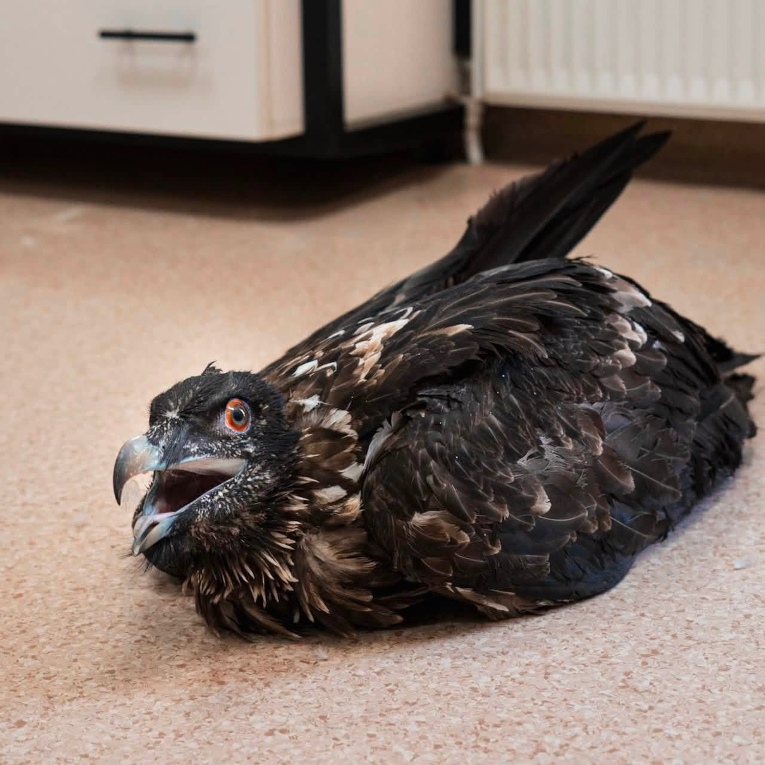
A juvenile Bearded Vulture
03 July 2026